




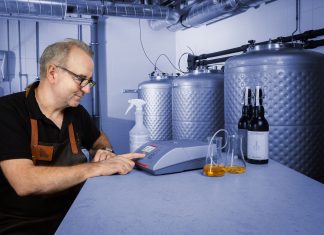
Craft Brewers can now measure alcohol and extract independently
Craft brewers value their independence – their freedom is what makes their beers unique. An alcohol and extract meter for beer, Alex 500 from...
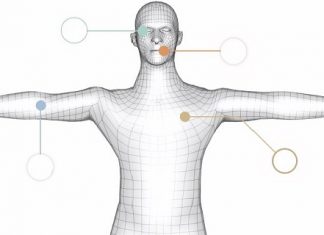
All eyes on biomedical testing
The main challenge in biomaterials is to predict how a material will react when implanted into the human body and how it will interact...
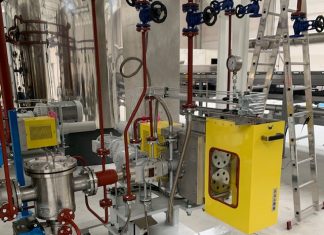
Continuous filtration and dosing solution for hotmelt adhesives
Thanks to an excellent, long-term relationship with Beardow Adams, headquartered in the United Kingdom, Suurmond were contracted to design and develop a turn key...
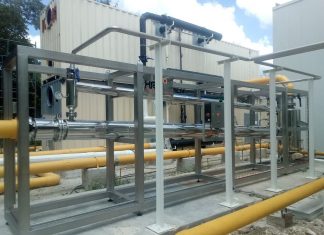
Discover how to remove water from biogas at UK AD & World Biogas
HRS Heat Exchangers, Stand G201, UK AD & World Biogas Expo
HRS Heat Exchangers will showcase highlights from its extensive range of heat exchangers and...
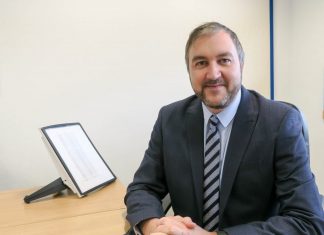
SIA Appoints Kevin Morgan as Chairman
The Solvents Industry Association has appointed Kevin Morgan, Commercial Director at Brenntag UK as their new Chairman, taking over from Mark Brunt who completed...
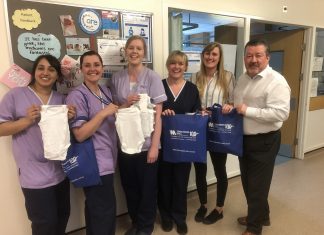
Tomlinson Hall Donates 100 Baby Grows
Local Pump Distributor & Manufacturer – Tomlinson Hall – has proudly donated 100 baby grows to one of the region’s largest hospitals as part...
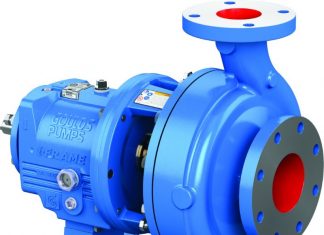
Tomlinson Hall Supplies Pumps to Global Food Manufacturer
The North East’s leading pump distributor and manufacturer – Tomlinson Hall – has successfully delivered a series of pumps to a major global food...

Tomlinson Hall Celebrates 100 Year Milestone with Charitable Drive
The region’s largest pump manufacturer and distributor is celebrating 100 years in business with the launch of its 100 for 100 campaign as a...
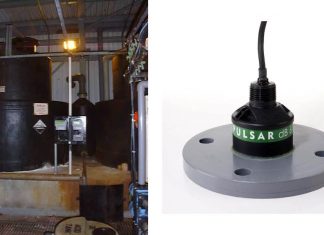
Reliability and Accuracy for Chemical Tanks
Non-contacting ultrasonic level measurement was supplied to a major chemical manufacturer, resolving a problem that had in effective gauging of Sodium Hydroxide. The Pulsar...
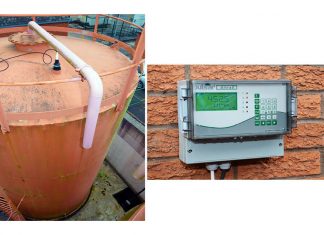
NHS Trust Multiple Sit Fuel Oil Tank Measurement for Safety and Savings
Pulsar Process Measurement Ltd have supplied The Wrightington, Wigan and Leigh NHS Trust with Modbus-enabled Ultra 5 non-contacting ultrasonic measurement systems as the first phase of...
