




Anton Paar has announced the latest update of its lab execution system, AP Connect 4.0, featuring enhanced capabilities for centralised user management, secure data handling, and improved traceability across laboratory workflows.
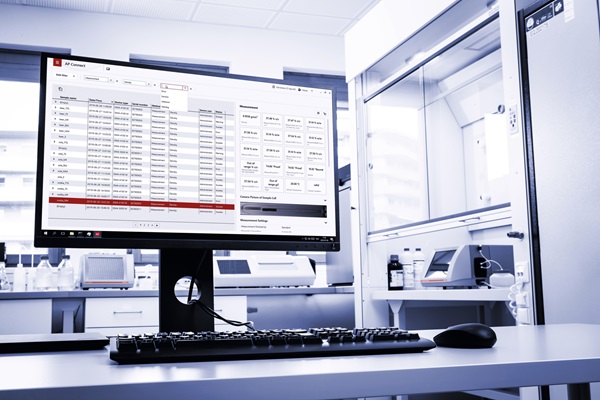
AP Connect centralises measurement data from connected instruments in one structured digital environment, bringing together results, metadata, and instrument settings for review, export, and integration into existing laboratory IT systems such as LIMS and ELN.
The latest update strengthens how laboratories manage users and workflows. Centralised user management enables consistent handling of users, roles, and permissions across AP Connect and supported instruments via existing directory services such as LDAP or Active Directory. With lab-based access, laboratories can define data visibility and control workflow execution in shared environments, supporting more structured and transparent operations.
HTTPS-based communication and certificate handling help protect digital data flow between supported instruments, enabling controlled workflows from measurement to analysis. Remote task execution enhances traceability by documenting who initiated a measurement and who interacted with it during execution.
Designed to support a connected laboratory environment, AP Connect integrates Anton Paar and supported third-party instruments, reducing complexity and enabling scalable, structured data flows across the lab.
For regulated environments, the AP Connect Pharma version features integrated review and approval workflows, electronic signatures, and audit trails. This enables laboratories to maintain data integrity, ensure compliance, and prepare more efficiently for audits and validation processes, while supporting confident, compliant daily operations.
To learn more about AP Connect 4.0, visit our website or contact us via email, for the UK info.uk@anton-paar.com and for Ireland info.ie@anton-paar.com