





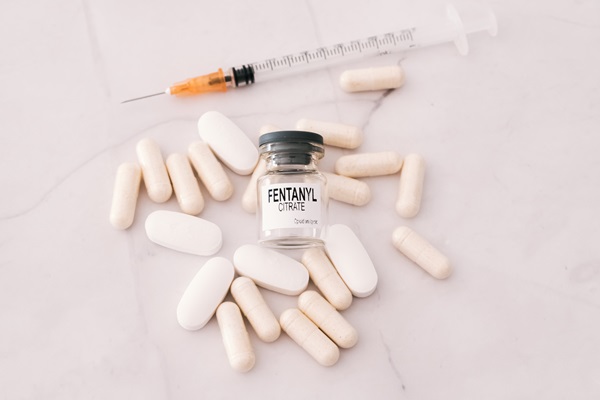
In 2022, fentanyl was responsible for nearly 70% of all drug overdose deaths. Looking at this figure, it becomes clear just how dangerous fentanyl really is and why there’s a great need for fast and accurate fentanyl identification.
Fentanyl test strips are a low-cost detection method used to help prevent overdoses and reduce harm, however, they typically require up to five minutes to give results which could mean the difference between life or death. Plus, even if the test is negative, this may not indicate that the drugs are safe, as the test strips might not detect more potent fentanyl-like chemicals.
Raman spectroelectrochemistry combines electrochemistry and Raman spectroscopy to determine if fentanyl is present in a substance. The electrochemical activation of metallic structures allows the enhancement of Raman intensity thanks to the surface-enhanced Raman scattering (SERS) effect. This phenomenon improves sensitivity allowing the detection of very low concentrations.
Using Metrohm’s SPELEC RAMAN alongside screen-printed electrodes, the technique enhances Raman signals, enabling the identification of very low concentrations of fentanyl even when mixed with other drugs and cutting agents. The compact, integrated system combines a Raman spectrometer, laser and potentiostat in a single instrument, supporting rapid and portable analysis.
To read more, please click here: Improved detection of fentanyl using Raman spectroelectrochemistry | Metrohm