




As the global transition towards lower-carbon energy sources accelerates, biofuels continue to play an increasingly important role in the renewable energy mix. Driven by ambitious decarbonisation targets, evolving regulations, and growing demand for sustainable transport fuels, producers are expanding their use of alternative feedstocks while seeking new ways to improve process efficiency and operational reliability.
The biofuels industry today is very different from that of a decade ago. Traditional vegetable oils are increasingly being supplemented or replaced by more challenging raw materials, including used cooking oil (UCO), animal fats such as tallow, waste-derived feedstocks, and emerging sources such as algae. While these feedstocks offer significant sustainability benefits, they also introduce new processing challenges that can place considerable demands on production equipment.
One of the most critical steps throughout the biofuel production process is filtration. Effective solids removal not only protects downstream equipment but also helps maintain product quality, improve yields, and reduce operational costs. As feedstocks become more complex and variable, filtration systems must be capable of handling higher solid loads, increased viscosities, and changing process conditions without compromising performance.
Producers frequently face difficulties associated with rapid filter fouling, inconsistent throughput, and unplanned maintenance interventions. These challenges can lead to production interruptions, increased operating costs, and reduced overall plant efficiency. As a result, there is growing demand for filtration technologies that combine high throughput with reliable operation and minimal maintenance requirements.
At the same time, sustainability considerations are influencing equipment selection more than ever before. Biofuel producers are under increasing pressure to reduce energy consumption, minimise waste generation, and improve overall process efficiency. Filtration systems that can support these objectives by reducing water usage, limiting chemical consumption, and operating efficiently under demanding conditions are becoming an integral part of modern plant design.
One area attracting significant attention is algae-based biofuel production. Certain microalgae species can produce exceptionally high oil yields, making them an attractive feedstock for future renewable fuel applications. However, harvesting and concentrating algal biomass remains one of the industry’s most challenging processing steps. Microalgae cells are extremely small, remain suspended in water, and are often unsuitable for conventional filtration approaches that rely on filter aids or precoat systems.
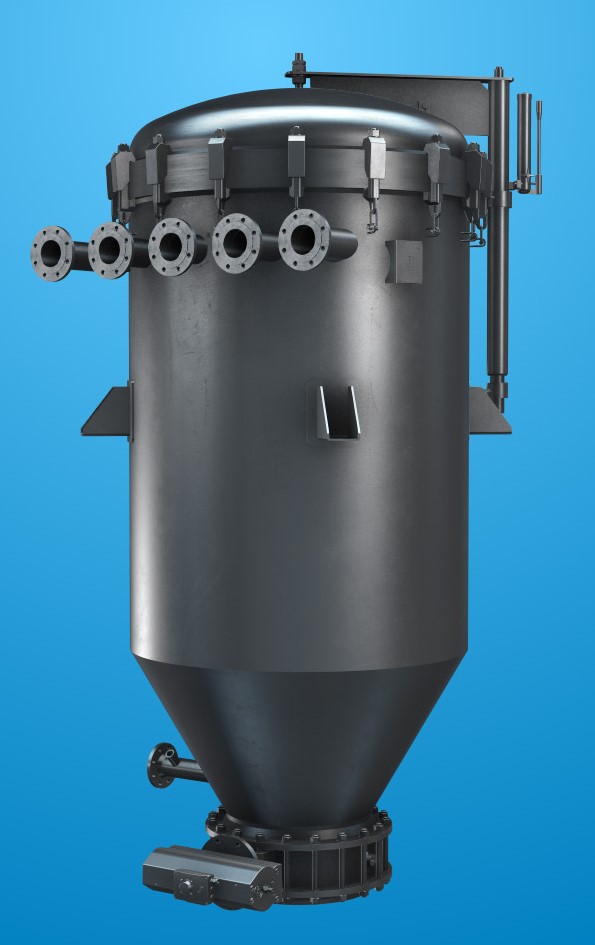
To address these challenges, robust cake filtration technologies are increasingly being adopted. Systems such as the Amafilter® Cricketfilter® automated system utilise reinforced heavy-duty filter elements designed to withstand demanding operating conditions while delivering efficient biomass thickening. The ability to operate at differential pressures of up to 6 bar, combined with enhanced system designs capable of pressures up to 10 bar, allows producers to achieve higher biomass concentrations while maintaining reliable filtration performance.
By increasing biomass concentration during the dewatering stage, downstream energy requirements for drying and oil extraction can be significantly reduced. As algae-derived fuels continue their journey towards commercial viability, filtration technologies capable of handling filter-aid-free suspensions are expected to become increasingly important.
Beyond process efficiency, safety is also emerging as a major consideration across the biofuels sector. Facilities routinely handle hot oils, methanol, solvents, and chemically treated feedstocks under pressure. In these environments, reducing operator exposure and minimising manual intervention are becoming key priorities.
Modern filtration systems are therefore being designed with greater emphasis on enclosed operation, automated cake discharge, and advanced process monitoring. Automated systems help reduce direct operator contact with process fluids while providing more predictable and consistent operation. Features such as controlled pressure management, automated shutdown functionality, and secure vessel opening mechanisms contribute to safer plant environments and improved operational reliability.
As biofuel producers continue to adapt to changing feedstocks, rising energy costs, and increasingly stringent sustainability requirements, filtration will remain a critical component of efficient plant operation. The ability to process complex feedstocks safely, reliably, and efficiently will play an important role in determining the long-term success of biofuel production facilities.
For suppliers such as Amafilter®, the focus remains on developing filtration solutions that address these evolving challenges while supporting customers’ operational, environmental, and safety objectives. As the industry continues to innovate, filtration technology will remain a key enabler in helping biofuel producers meet both today’s requirements and tomorrow’s opportunities.
For more information visit amafiltration.com.