





Ongoing geopolitical instability, trade complexity and logistics disruption are placing increasing strain on the UK chemical sector. Ben Beattie, Director of Forbeats, examines how these pressures are impacting manufacturers across the industry.
In recent years, the chemical sector has been affected by Brexit complications, the lingering effects of the pandemic, the war in Ukraine and disruption to Red Sea shipping routes, all of which have created logistical, regulatory and cost challenges for the industry. Instability in the Middle East is now adding further uncertainty.
The disruption to key shipping corridors such as the Strait of Hormuz is particularly significant for the sector. Extended transit times, port congestion and rerouted vessels are creating knock-on effects throughout the chemical supply chain. For UK manufacturers reliant on imported raw materials, this presents a major challenge.
Rising costs and logistics constraints
These ongoing disruptions are driving substantial cost increases. Fuel surcharges have risen sharply, while additional carrier and risk-related charges are becoming more common, compounding cost pressures across the sector.
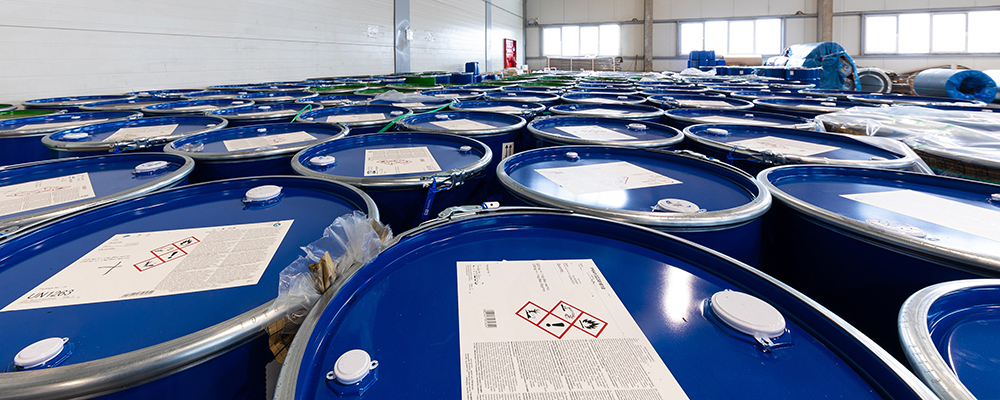
The movement of hazardous materials – a core component of the chemical industry – is also becoming increasingly complex. Stricter handling requirements, combined with longer and less direct shipping routes, are slowing the flow of goods and increasing the risk of delay at multiple points in the supply chain.
Domestically, the situation is being exacerbated by reduced road haulage capacity and higher transport costs. Driver shortages and operational constraints mean that even when materials reach the UK, moving them efficiently to production sites is not guaranteed.
Alongside physical disruption, the UK chemical sector is continuing to adapt to a more complex regulatory and trade environment. Since Brexit, businesses have faced increased administrative requirements, including customs declarations, rules of origin checks and additional documentation.
Additionally, there are tariff variability and shifting global trade dynamics to consider. For procurement teams, this means navigating an environment where pricing, availability and compliance requirements are all subject to change.
Impact on production
These combined pressures are having a tangible impact on manufacturing operations across the UK chemical sector.
One of the most immediate challenges is the reliability of material supply. Delays in the delivery of key inputs – whether due to shipping disruption, regulatory hold-ups or domestic transport constraints – are making it increasingly difficult to maintain consistent production schedules.
For businesses operating on already tight margins and fixed production cycles, even minor delays can have major consequences. Missed deliveries can lead to postponed production runs, reduced output or, in some cases, temporary shutdowns.
At the same time, manufacturers are having to rethink inventory strategies. While holding higher levels of stock can provide some protection against disruption, it also ties up working capital and introduces additional storage and handling costs.
As supply chain pressures persist, market behaviour is also evolving. Price volatility is becoming more pronounced, with traditional pricing mechanisms proving harder to sustain. In some cases, suppliers are moving towards shorter-term agreements or more flexible pricing structures to reflect ongoing uncertainty, while tightening supply in certain areas is reducing buyer leverage and increasing competition for available materials. This is forcing businesses to become more agile, while also placing greater emphasis on supplier relationships.
Managing risk through external support
In response to these challenges, chemical businesses are increasingly focused on building resilience into their operations. Key strategies include diversifying supply sources, strengthening relationships with logistics providers and exploring alternative ways to maintain production continuity when disruptions occur. For many chemical manufacturers, this involves working with external partners, such as toll processors, to provide additional support.
While this approach is not new, the role of external partners is evolving. Rather than being used purely as contingency measures, outsourcing to a third party is becoming part of a broader effort to create more flexible and adaptable operations amid ongoing disruptions and delays.
This is because third-party support can help mitigate these challenges, particularly when internal capacity is constrained or material availability is inconsistent. By providing access to additional infrastructure, specialist handling capabilities and established supplier networks, external partners can help maintain production continuity and reduce the risk of delays. While not a universal solution, this approach is increasingly being considered as part of a wider strategy to manage risk and improve operational flexibility.
The challenges facing the UK chemical sector are unlikely to ease in the short term. For manufacturers, the ability to navigate this environment will depend on how effectively they can balance cost, compliance and continuity while responding to an increasingly unpredictable business environment. Third-party support can play an important role in mitigating risks and maintaining operational resilience.