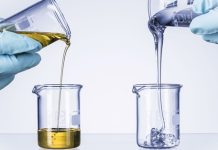






Emerging bioplastics drive industry growth, says independent report from IDTechEx.
Bioplastics (plastic materials derived from renewable biomass sources) have been commercialised for over two decades, with polylactic acid (PLA) and partially bio-based polyethylene terephthalate (PET, or “polyester”) now well-established.
However, the innovation of novel bio-based plastics with advantageous material properties looks set to drive continued industry growth moving forward.
Two notable examples include polyhydroxyalkanoates (PHAs) and polyethylene furanoate (PEF), both of which are expected to act as significant industry disruptors.
In new market report, “Bioplastics 2026-2036: Technology, Market, Players, and Forecasts”, IDTechEx forecasts that the combined global production capacities of PHAs and PEF will expand towards two million tonnes per annum by 2036, with their combined market shares rising to account for 13% of total global bioplastics production.
Can PHAs become commercially viable?
Unlike many synthetic bioplastics, PHAs are naturally occurring biopolymers produced entirely within living microorganisms.
These microbes convert a range of renewable feedstocks (including sugars, fatty acids and methane biogas) into PHAs, with act as a form of energy storage and can account for up to 80% of total cell volume.
This enables the direct isolation of PHAs from bioreactors using either solvent extraction or enzymatic degradation methods. However, PHA production is consequently limited by batch-to-batch production methods that can be inconsistent and expensive.
IDTechEx analysis has shown that while PHA prices remain high (US$4-6/kg), these are falling as production scales up and both the fermentation and recovery steps of PHA production are optimised. Achieving cost parity with PLA (US$2-3/kg) is crucial to the success of PHAs, as they are both biodegradable plastics targeted at single-use applications including packaging, cups and cutlery.
Enhanced biodegradability is a key selling point for PHAs which spontaneously decompose in marine environments, in contrast with the industrial composting required by PLA.
Furthermore, the biocompatibility of PHAs (resulting from their microbial origin) enables commercial applications in biomedical equipment.
Finally, PHAs also benefit from their tuneability: monomers of different lengths can be selectively incorporated using genetic engineering techniques, enabling the variation of the final PHA’s structural and material properties.
How will PEF compete with PET?
PEF is a synthetic bioplastic produced via the polymerisation of monoethylene glycol (MEG) with 2,5-furandicarboxylic acid (FDCA). Bio-based MEG derived from bioethanol is readily available having been commercialised for the production of partially bio-based PET.
While bio-based FDCA production remains at the pilot stage, it can be obtained from fructose using a combination of fermentation and metal-catalyzed oxidation steps. As PEF’s constituent monomers are both bio-based, it therefore offers a more sustainable alternative to PET.
Notably, PEF also provides enhanced mechanical, thermal and gas barrier properties, enabling the replacement of PET food packaging and textile fibers with disruptive PEF alternatives.
While PEF is yet to be commercialised, this is set to be achieved from 2026 onwards as leading players in the PEF space ramp up their production of FDCA, establish partnerships and sign off-take agreements with brands.
The combination of sustainability and performance benefits that PEF offers has attracted significant interest in its disruptive potential, driving investment that should enable an initial green premium to be overcome as production scales up. Moving forward, IDTechEx forecasts the exponential growth of the PEF industry, for which a which a CAGR of 88.7% is expected through to 2036.
2026-2036 bioplastic market forecast
The IDTechEx report “Bioplastics 2026-2036: Technology, Market, Players, and Forecasts” provides detailed coverage and analysis of key emerging bioplastics, including PHAs and PEF, as well as global trends and growth opportunities that are driving the bioplastics industry.
The report provides 10-year market forecasts for 14 synthetic and naturally occurring bioplastics, with key conclusions on technology readiness, market disruption potential and growth drivers. For more information, including downloadable sample pages, visit idtechex.com/bioplastics.