





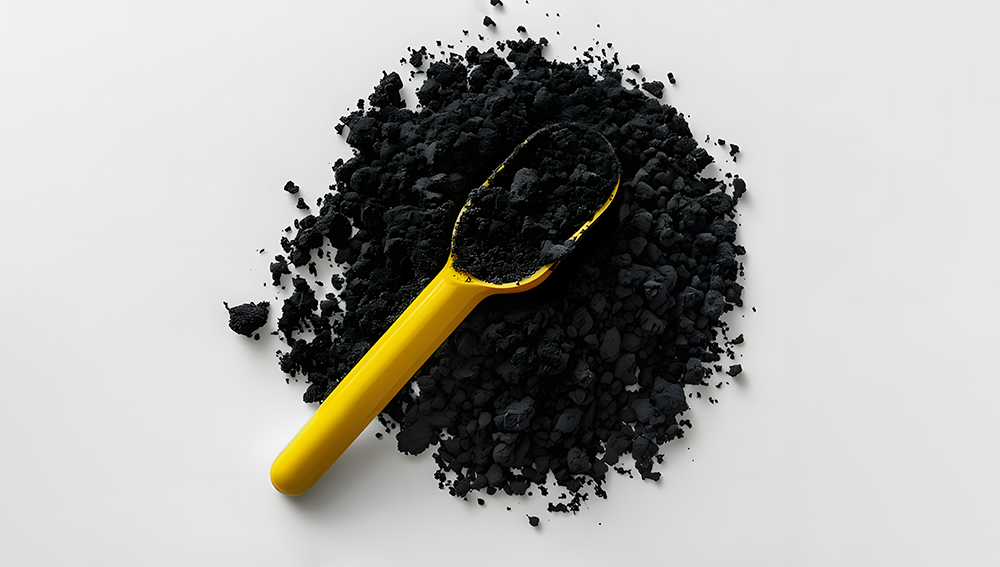
Rubber recycling breakthrough could “slash” emissions
A UK company is believed to be the first plastic chemical recycling specialist to commercialise ‘char’, a byproduct of its TAC™ chemical recycling process.
Launched...
From compliance to competitive edge: why emissions reporting is a must for chemical sector
George Hudson, UK Business Development Manager for GoNetZero, explains why accurate emissions reporting is now essential for compliance and credibility.
Accurate emissions reporting is not...
Net Zero, Smarter: Flexible Energy Solutions
Discover how forward-thinking leaders are turning decarbonisation into a competitive edge
The UK chemical manufacturing sector remains a powerhouse of the economy,
underpinning around 96% of...
Red tape, green chemistry: Turning sustainability regs into a growth catalyst
Sustainability regulations are a make-or-break moment for the industry. However, instead of treating regulation as a cost center, what if chemical firms could use...
Industrial waste turned into world-first green chemistry
A major research centre to position the UK as a global leader in clean technology has been launched by the universities of Newcastle, Sheffield...
Who Will Lead the Plastics Revolution?
Europe’s chemical recycling requires over €400 billion in cumulative capex to compete with virgin plastics production – who will lead?
Despite impending mandates and ambitious...
Measurement holds key to leaner, cleaner performance in chemical industry
Producing many of the everyday products that we take for granted, the chemical industry is a major contributor to air and water emissions, as...
New lab and pilot plant for feedstock renewables firm
Bedford-based C-Source Renewables is celebrating a major milestone with the opening of its new microbiology and waste valorisation laboratory and pilot plant.
The company –...
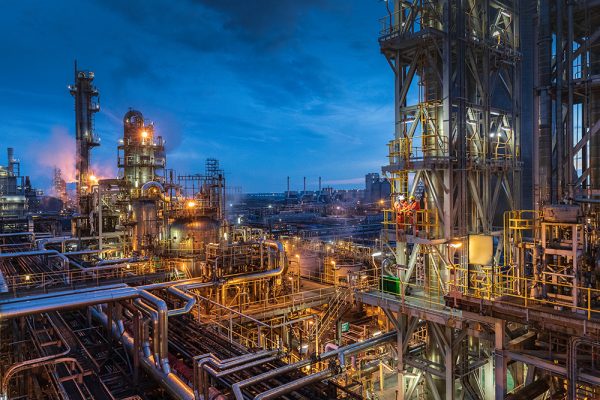
INEOS Invests £30m to slash emissions at Hull site by 75%
INEOS has completed a major £30 million investment at its Hull manufacturing site, converting the facility to run on clean-burning hydrogen instead of natural...

Turning emissions into valuable products
Many processes which were once considered waste can now be valorised. Dr Alexander Krajete, CEO of emissions treatment specialist Krajete, explores how waste gases...
