





The EU’s Bisphenol A (BPA) ban came into force this Summer, but as the UK debates the details of UK legislation, what will the European restrictions mean for businesses? The packaging sector is one of the most affected, since BPAs are used in the production of certain plastics and metal container coatings. And with packaging being such a necessary part of the supply chain for manufacturers and suppliers, the impact of BPA legislation is already being felt by businesses.
The issue is that BPA-based epoxy resins, linings and lacquers are still the gold standard for metal packaging, offering high acid resistance, improved shelf-life, excellent adhesion, and thermal stability, which can be particularly important when storing chemicals and hazardous goods. This is why metal BPA-coated packaging is used to pack so many products, from paint aerosols to liquid chemical containers, and food tins to beer cans.
BPA has, until recently, been one of the most widely used chemicals in packaging because it is so useful. It can act as a plasticiser, adding flexibility to plastics, and is used in the production of thermoplastics such as polycarbonate. BPA has been on the radar for some time, which is why packaging manufacturers have already made moves to reduce it’s use. From BPA-free coatings and BPA-free plastic to the use of paper-based materials, there are alternative packaging solutions available.
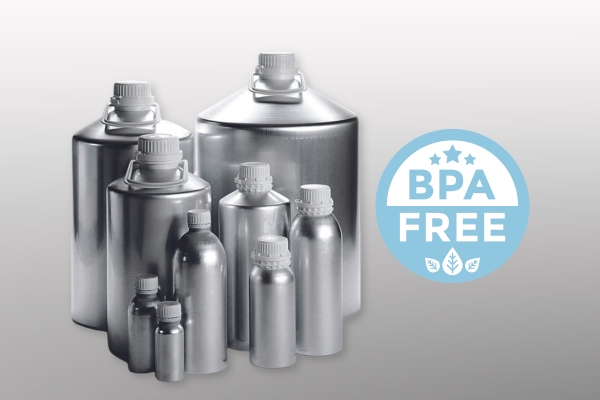
The EU’s BPA-ban may target food packaging, but because manufacturers follow the market, the availability of containers that do use BPA is likely to be restricted, as BPA free becomes the standard. UK supplier Invopak has already switched to a BPA-free lacquer on their Tournaire aluminium bottle range. It was a necessary move as Nick Duffy from Invopak explains, “UK businesses exporting to Europe or trading with Northern Ireland must now legally comply with the EU’s BPA ban, which came into force on 20 July 2026. For any food export businesses, they have to have a BPA-free bottle, and it’s a more sustainable choice, so it made sense for us to make the switch. Tournaire’s BPA-free lacquer is a tried and trusted formulation, so it’s been a change that’s worked for our customers too.”
The UK has yet to finalise the details of a BPA ban, but that does not mean UK businesses should be complacent as Nick continues, “The FSA’s decision to delay the domestic ban gave some UK businesses a false sense of security. The reality is that anyone trading with Europe is already bound by the new EU rules. We are urging British manufacturers to audit their supply chains to avoid border rejections.”
It could make sense to make the change anyway because the key question is, “When will the UK ban BPA?”, rather than if. Many UK companies are already going BPA-free, whether the goods are headed for the EU market or not. This makes sense rather than running two separate manufacturing lines, or dual stocking on packaging. Reducing the use of BPA is a positive step for people’s health and the environment, but it is important that businesses do not get left behind in the process. This is why it is vital for companies to audit their packaging for BPAs and test and explore alternatives, so that they are prepared when the next phase of legislation hits.